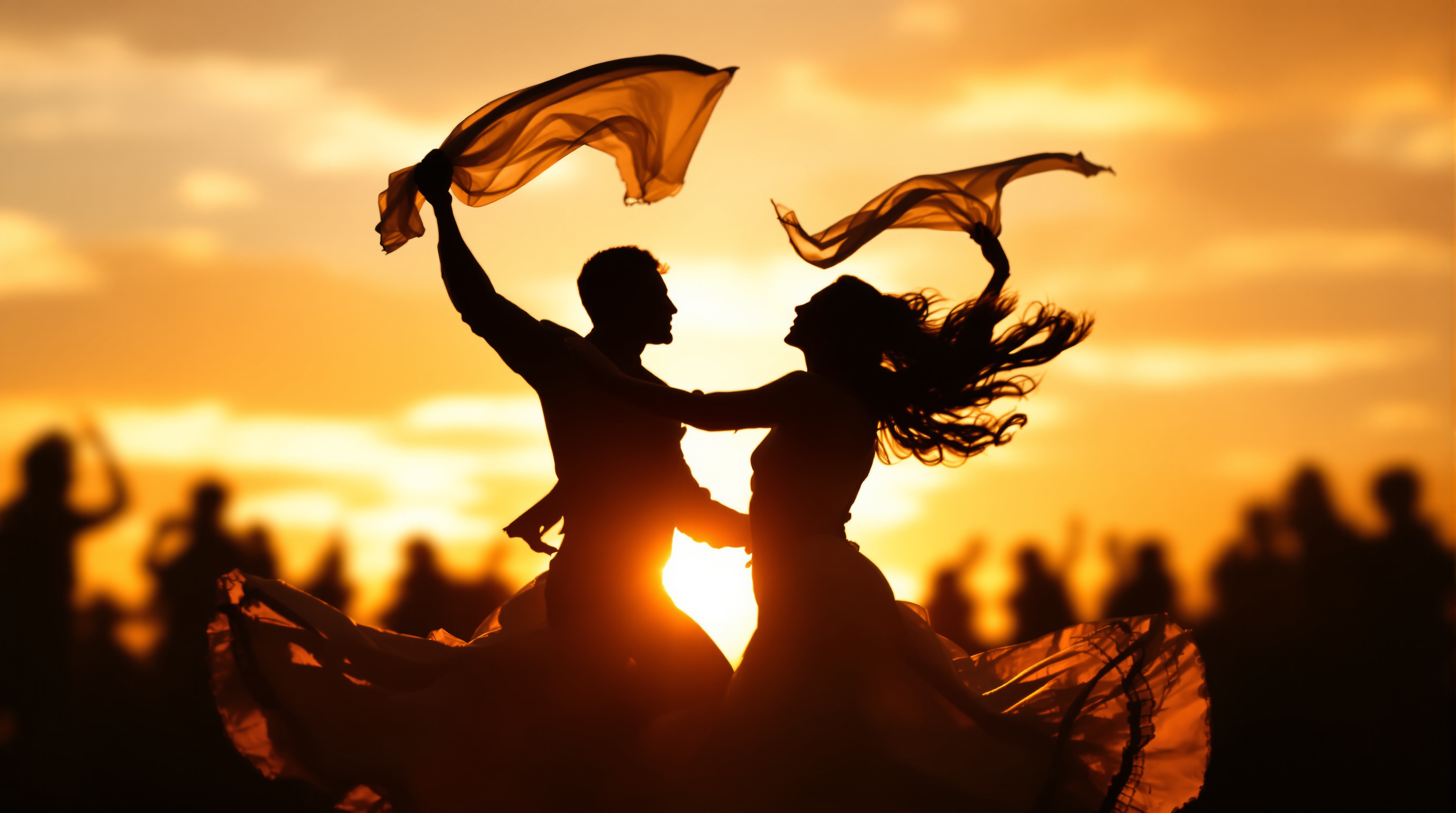
La cueca: the national dance
If one image says “Chile”, it is a couple dancing the cueca, white handkerchiefs held high. A courtship dance of circling steps and playful pursuit, the cueca is the national dance of Chile and the beating heart of any celebration. In Australia, folk-dance groups teach it to children in church halls and community centres, and every September the handkerchiefs come out again. You can read about the dance's history and regional styles via this overview of the cueca.
Fiestas Patrias: Chile's national celebration
Fiestas Patrias — the “Dieciocho”, around 18 September — is Chile's great national holiday, marking independence. Back home it fills the fondas and ramadas with music, dancing, kite-flying and food; in Australia it is the highlight of the community calendar, an unmistakable burst of blue, white and red. Families gather for an asado (barbecue), the cueca is danced, and children learn what it means to belong to a country an ocean away. See how the community marks it on our events page.
Music and poetry
Chile is a nation of poets — the only country to claim two Nobel laureates in literature, Gabriela Mistral and Pablo Neruda, whose verse is recited at weddings and funerals alike. Its musical soul runs just as deep, from the folkloric revival led by figures such as Violeta Parra to the guitars and charangos of the Andes. Songs like “Gracias a la vida” are sung across the Spanish-speaking world and treasured in the diaspora as a link to home.
The huaso and rural roots
Much of Chilean tradition springs from the countryside and the figure of the huaso, the Chilean horseman, with his broad hat, poncho (the chamanto) and finely worked spurs. The rodeo, folk crafts, and the harvest festivals of the Central Valley all draw on this rural heritage, which lends Chilean celebrations their distinctive look and pride.
Language, warmth and everyday custom
Chilean Spanish is famous for its speed, its wit and its treasury of chilenismos — turns of phrase that make Chileans instantly recognisable to one another. Beyond words, the culture is defined by warmth: the long shared meal, the open door, the once (afternoon tea), and an instinct for hospitality that survives every migration. To taste that hospitality, visit our guide to Chilean cuisine; to place it on the map, read About Chile.
Crafts, faith and the seasons
Chilean tradition also lives in the hands and the calendar. Artisans work crin (dyed horsehair) into delicate figures, weave woollen textiles, and turn the distinctive black clay of Quinchamali into pottery prized across the country. Faith and folklore mingle in festivals such as La Tirana in the north, where dancers in elaborate costumes celebrate for days. And the rhythm of the seasons — the grape harvest, the winter sopaipillas, the spring kites of September — gives the year its shape.
Carried to Australia, these traditions adapt without losing their soul: a Southern-Hemisphere September still means Fiestas Patrias, even when the Australian spring stands in for the Chilean one. That adaptability is the genius of living culture, and the reason it survives an ocean crossing intact.