A geography like nowhere else
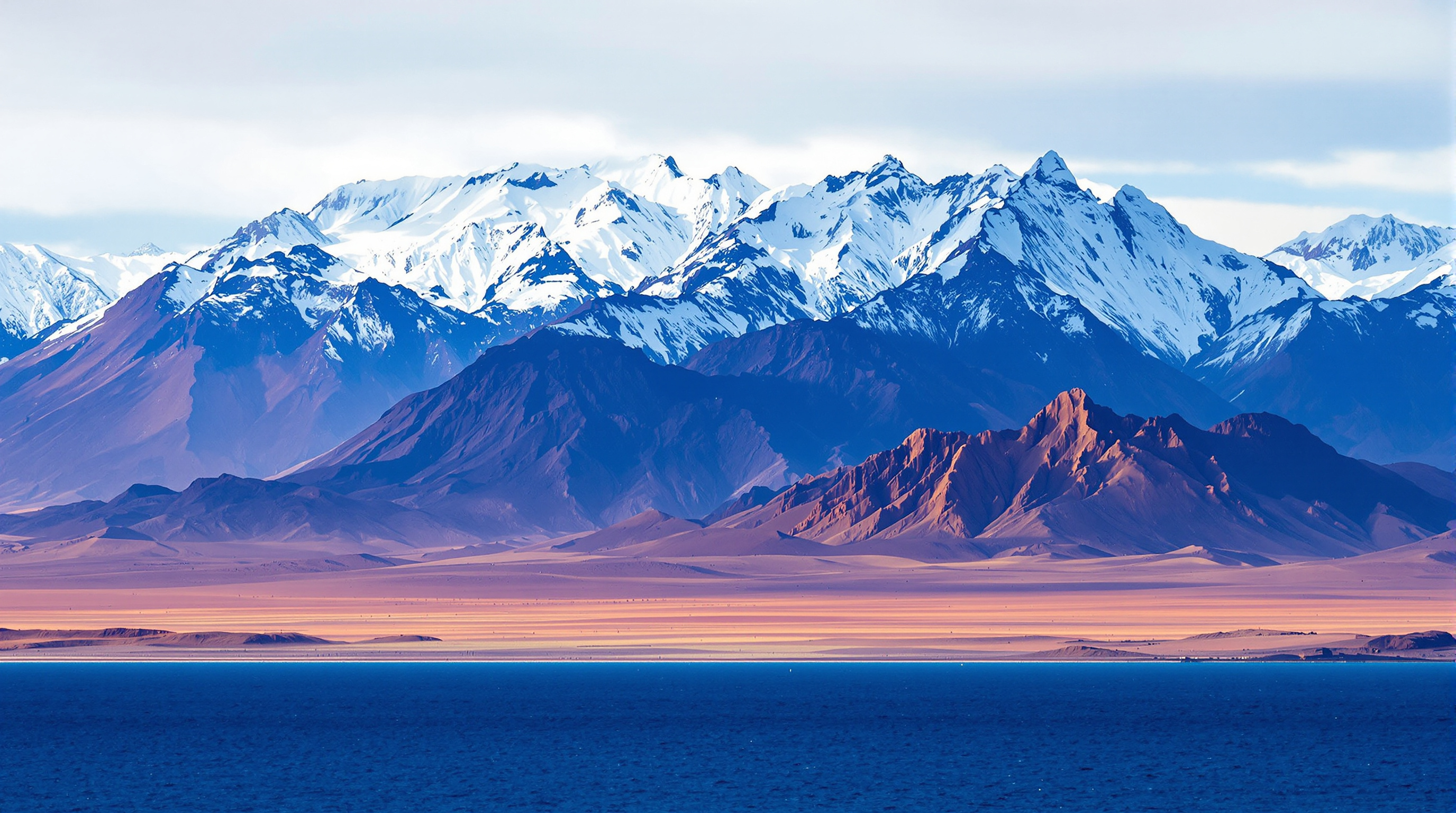
Chile's extraordinary shape gives it almost every climate the planet offers. In the far north lies the Atacama Desert, where some weather stations have never recorded rain and the night skies are so clear that the world's great observatories gather there. Move south and the land softens into the fertile Central Valley, home to Santiago, the vineyards of the Maipo and Colchagua, and the Mediterranean climate that makes Chilean wine famous. Further south again, the Lake District unfolds in volcanoes, forests and mirror-still water, before the country shatters into the fjords, islands and ice of Patagonia and Tierra del Fuego.
Between the Andes and the sea, Chileans have built a nation defined by resilience — a land shaped by earthquakes, volcanoes and the ever-present ocean. To plan a journey or simply marvel at the scenery, the official Chile Travel portal is the best starting point.
The people and the culture
Chilean identity is woven from many strands: Indigenous peoples such as the Mapuche, Aymara and Rapa Nui of Easter Island; Spanish colonial heritage; and later waves of European, Middle Eastern and Latin American migration. The result is a culture that is at once deeply traditional and strikingly modern — a place that produced two Nobel Prize-winning poets, Gabriela Mistral and Pablo Neruda, and a folk-music renaissance that echoed around the world.
You can explore these threads in depth on our pages devoted to Chilean culture and traditions and Chilean cuisine.
Copper, coast and creativity
Chile is the world's largest producer of copper, and the metal has shaped both its economy and its identity — a warm, reddish thread that runs, quite literally, through the landscape. Along the coast, a cold, fish-rich current feeds one of the planet's great seafood cultures, while inland the vineyards yield the deep reds, including the signature Carmenere grape, that Chile has made its own. Creativity is everywhere: in the hillside murals of Valparaiso, a UNESCO World Heritage port city; in artisan textiles and pottery; and in a literary tradition that Chileans carry with them wherever they settle.
Why it matters an ocean away
For the Chilean community in Australia, “home” is this astonishing country — its flavours, its landscapes, its way of seeing the world. Understanding Chile is the first step to understanding the Chilean-Australian community and the culture it keeps alive so far from the Andes. For a broad factual overview, see this encyclopedic summary of Chile.
Regions at a glance
Travelling Chile from north to south is like crossing several countries in one:
- The Norte Grande — the Atacama Desert, high-altitude salt flats, flamingos and the star-filled skies of the Elqui Valley.
- The Central Valley — Santiago, the Pacific port of Valparaiso, and the vineyards that made Chilean wine world-famous.
- La Araucania and the Lake District — Mapuche heartland, volcanoes, forests and deep glacial lakes.
- Patagonia and the far south — the granite towers of Torres del Paine, fjords, glaciers and the windswept end of the Americas.
- The islands — the Chiloe archipelago with its wooden churches, and, far out in the Pacific, Rapa Nui (Easter Island) with its famous moai.
Few nations pack such variety into a single flag, and that variety is a big part of what Chilean-Australians miss, treasure and pass on.